

Posted 2 Apr 2020. Edits made 30 Nov 2020.
The logo of this blog was a self-made mash up of the 2 plant motifs – the crocus and the wheat – that appear in Frozen (2013) and Frozen II (2019). The logo has been updated, and now the wheat appears within the crocus. This is because in Frozen (and the sequel), the crocus serves as the national symbol of Arnadalr. In Frozen 2, flags with a wheat motif appear, and it becomes Anna’s new personal motif.

There is symbolism to be had here, and I would like to offer my two cents’ worth on what that might be. These symbols are also going in my epic poem, as far as I am able to write them in.
The Crocus (dvergi lilja)
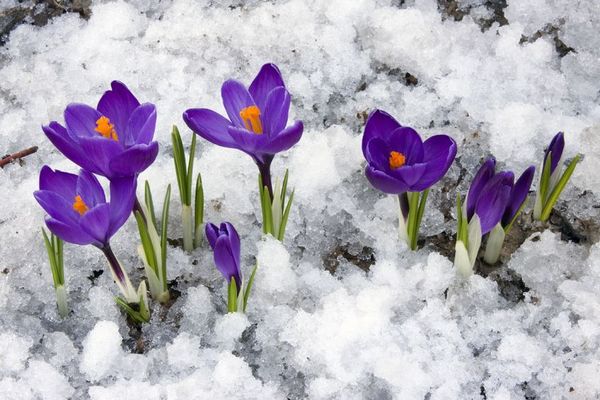
The crocus is where saffron, a highly expensive spice, is extracted from. Also, croci can bloom even in snow, making it a symbol of perseverance in hostile environments.
The crocus also does not grow in northern Europe, where Arnadalr is supposed to be.
Nevertheless, as a winter flower, not only does the crocus neatly fit in with the winter setting of the movie; it also is representative of the characters’ journeys through tribulations.
The sisters’ first trial is Elsa striking Anna. From that point, Elsa locks herself away, trying desperately to contain her magic, while Anna desperately tries to reconnect with Elsa, even slipping little gifts under her door every Yule (see Olaf’s Frozen Adventure).
Their second trial is the death of their parents.
Their third trial is, well, the plot of the first movie. Elsa’s magic is discovered, and she flees, and Anna climbs up a mountain to bring her home, then gets shot in the heart, then sacrifices herself to save Elsa…
The crocus, in fact, probably symbolises Anna more than Elsa, since she is the one who goes through much more hardship to bring Elsa home. Anna’s words from Frozen II: ‘I climbed the North Mountain, survived a frozen heart, and rescued you from my ex-boyfriend, and I did it all without powers, so…’ Well done Anna!
Elsa’s motifs, in fact, never stay with the crocus. Her motif is the snowflake, or the butterfly (to be discussed below).
The Wheat (hveiti)
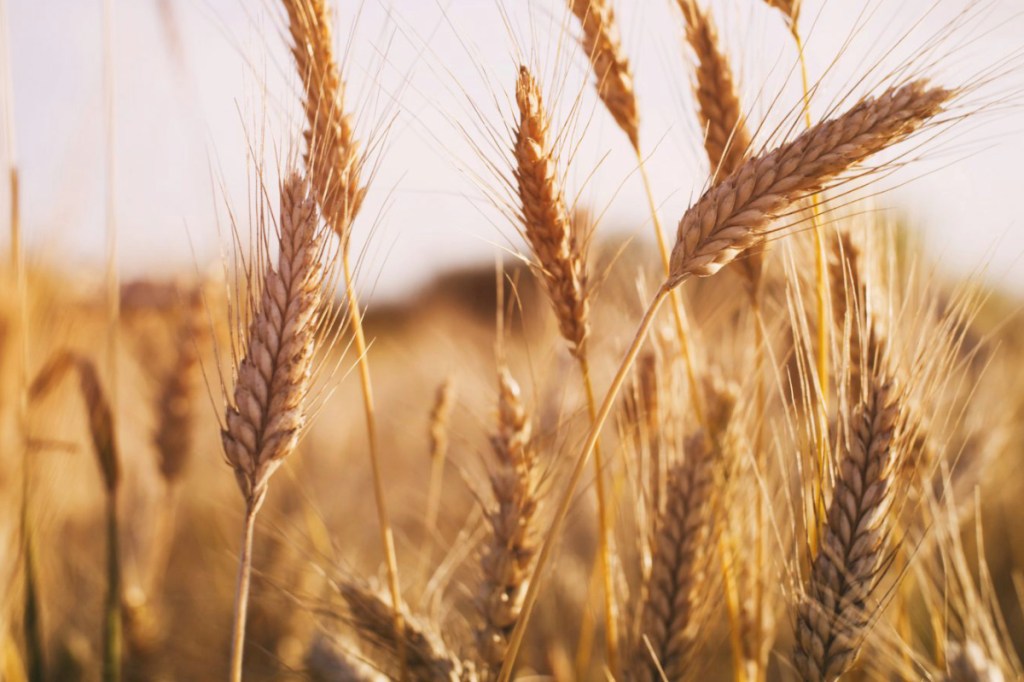
Wheat is a staple crop grown in many parts of the world. The fully-grown wheat, however, often invokes thoughts of autumn, when leaves change colour, temperatures get colder, things mature, and slowly die. The themes of change and maturity are apt for this plant, in addition, again, to the autumn setting of Frozen II.
I am not inclined to say that Elsa has grown much in the movie. She is more comfortable with herself and her place in the kingdom, but is seeking more. The movie shows her journey towards actualising that desire, but as a character she does not exactly…change. She just gets from point A to point B in her life, albeit great difficulty. And while she does get a nice new butterfly-resemblent costume, which I suppose symbolises reaching her true form, I still hesitate to call this ‘growth’.
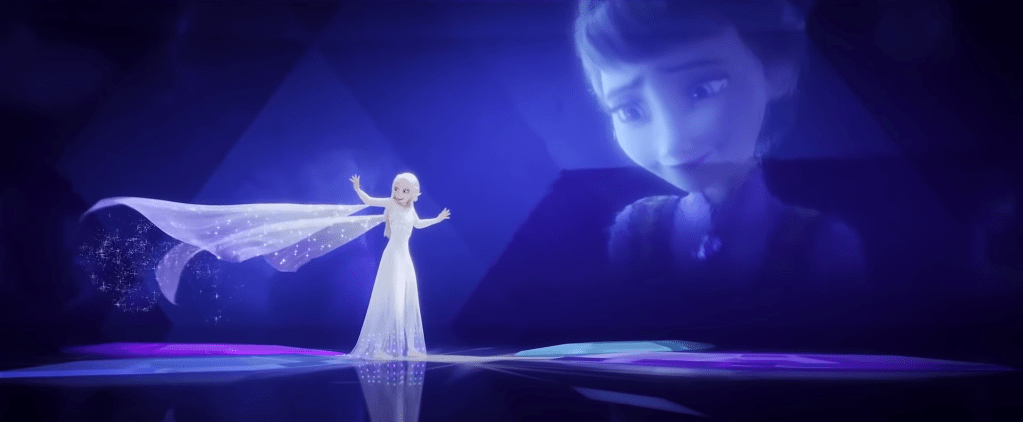
Anna, on the other hand, does change. She is an annoying ankle-weight dragging Elsa continuously out of the unknown up until the point that Elsa dies. Anna instantly loses her direction: ‘I can’t find my direction, I’m all alone / The only star that guided me was you.’ However, in the same song, she clambers out of a cave, and resolves to do the next right thing. She breaks the dam, willingly washing away her newly inherited queendom.
Some tell me that it’s an insult to show character development in the space of a 3-minute song; I disagree. I believe people can change, very quickly, when circumstances force them to. Think of a young soldier at war – the death of a friend instantly wipes out any sympathy for the enemy.
In Anna’s case, after she receives Elsa’s message about their grandfather’s treachery, she realises that the dam their grandfather built ‘was a trick’, and resolves to break the dam, knowing that it will devastate her city. However, her motivation changes from ‘meet up with Elsa and discuss’ to ‘just go and break the dam’ once Elsa and Olaf pass away. A subtle change, yes, but imagine how it must have felt to suddenly have the responsibility of governing the kingdom AND fulfilling Elsa’s promise to the Norðaldra thrust upon her. She can’t consult anyone now (Kristoff is many things, but a leader is not one), and her greatest source of comfort has just kicked it without a chance to say goodbye. And in spite of this crushing blow, she still crawls out of the cave, breaks the dam, and resolves to go home to a wrecked city and pick up the pieces. She has changed, but she hasn’t lost her grief. In fact, her choice to go break the dam, another crushing decision, right after Elsa’s death, is a mark of her tenacity, and maturity – forced to take up the mantle abruptly, she executes her functions as queen and legacy-bearer of Elsa first, and deals with her personal problems later. She never had to do that while she was living in Elsa’s shadow.
She is deserving of her own motif, and of the flag of the crocus. Fylgi!
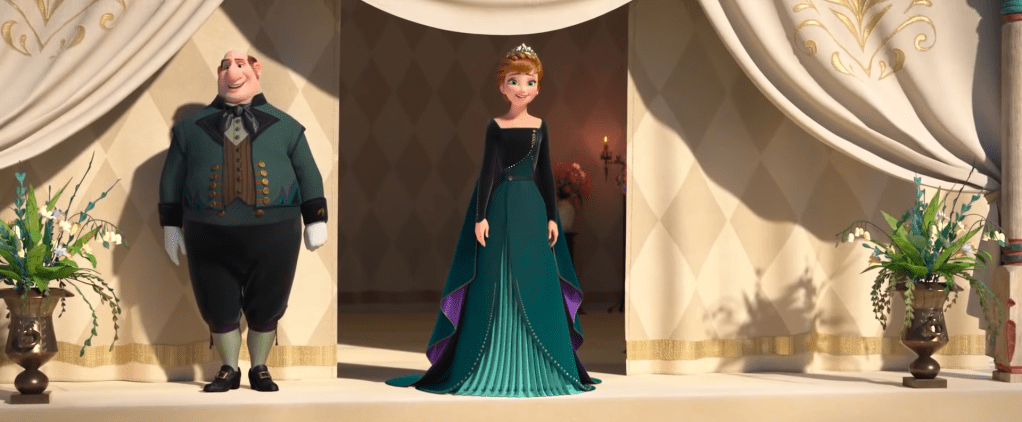
I am growing fonder of Anna by the day. Elsa is cool, but Anna is simply amazing.
 Queendom of the Crocus
2 thoughts on “On the Crocus and Wheat”